October 26, 2026
Your heating and cooling equipment works harder than almost anything else in your house. It keeps you warm during frosty January mornings and comfortable through humid July afternoons, often without much thought from you. When something goes wrong, though, you quickly realize how much you depend on it. That is why the company you hire matters long before a breakdown occurs. A dependable provider can keep your equipment running smoothly through every season, catch small problems early, and guide you through bigger decisions. Choosing wisely now can save you from stressful emergencies, inflated energy bills, and premature equipment replacement later. This guide walks through six practical steps that make it easier to compare your options and protect your home comfort system year-round.
Checking Licensing, Insurance, and Technician Credentials
Start with the basics. Any contractor working on your furnace, air conditioner, or ductwork should hold the proper licenses and carry full insurance. Without coverage, you could be responsible for damage or injuries that happen on your property. Ask directly, and do not feel awkward about requesting proof. It also helps to confirm that the company services all makes and models, especially if your equipment came with the house when you bought it.
Credentials matter at the technician level too. Look for EPA-certified professionals who have earned master’s licenses in heating and air, since that level of training shows they understand how complex systems operate. Factory training is another strong sign. Brands such as Heil offer dealer programs that require continuing education, which means technicians stay current on new equipment and best practices. A knowledgeable local HVAC company will gladly explain its qualifications and how its team keeps skills sharp.
Reviewing Experience and Reputation in Your Community
Years in business tell you something, but the quality of those years tells you more. A family-owned business that has served the same communities for over a decade has built its name one household at a time. Ask how long the company has operated in your area and whether the people on your repair call are experienced with your type of equipment. Pay attention to how the company communicates during your first call, since courteous and clear answers usually continue once the work begins.
Online reviews are the next step. Read recent feedback on the company’s website, Yelp, and social media pages. Look for patterns rather than single comments. Do customers mention punctual arrivals, clear explanations, and fair pricing? Do they describe how problems were handled? A local HVAC company that earns steady praise from neighbors is usually one that treats every home with care. Ask friends, family, and coworkers for recommendations as well, because personal experiences often reveal details that star ratings miss.
Confirming Round-the-Clock Emergency Availability
Heating and cooling systems rarely fail at convenient times. A furnace may quit during a January cold snap at midnight, or an air conditioner may stop on a holiday weekend when temperatures climb. Before you ever need help, find out whether a company offers emergency heating and air repair and what hours it actually covers.
The best answer is true 24/7 availability with same-day response. A broken furnace in winter can lead to frozen pipes and expensive water damage, and a failed air conditioner during a heat wave can become a safety concern for children and older relatives. Keep your provider’s phone number somewhere easy to find, and choose a local HVAC company that answers when it counts. Quick response limits secondary damage and gets your family comfortable again sooner. Also ask whether emergency repairs carry the same professional standards as scheduled visits, so a late-night call never means lower-quality work.
Evaluating Seasonal Maintenance Offerings
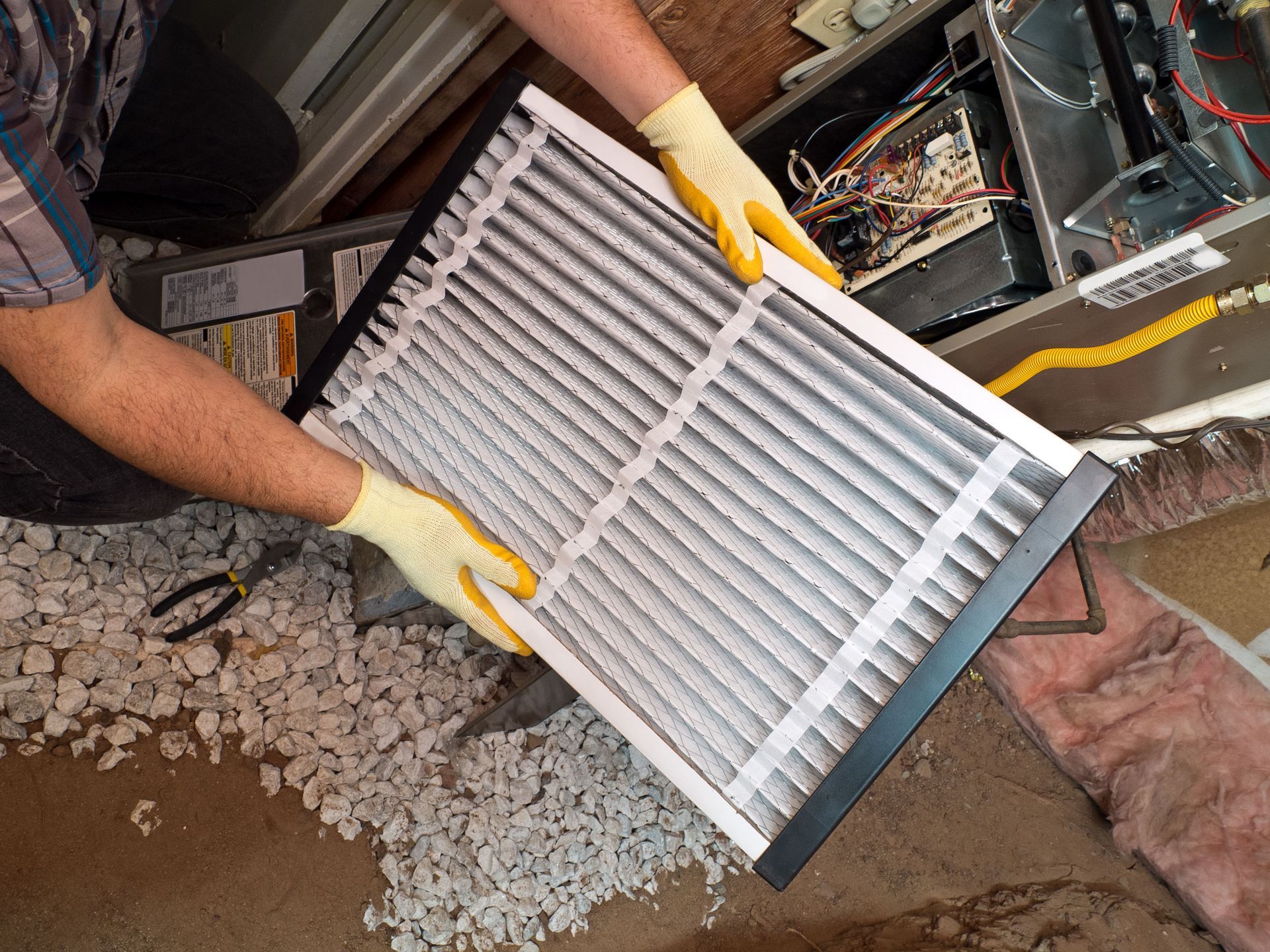
Protecting your system year-round means more than fixing it when it breaks. Routine care keeps equipment efficient, extends its lifespan, and prevents the sudden failures that disrupt your household. Ask each company what its seasonal maintenance looks like. A thorough visit should include cleaning internal components, lubricating moving parts, and inspecting for hidden wear.
Timing matters as well. Spring AC tune-ups prepare your cooling system for summer heat, while winter heating maintenance helps your furnace or heat pump handle the coldest weeks. Some companies run seasonal specials, such as a $99 summer tune-up, which makes preventive care easy to fit into your budget. Ask about additional checks like carbon monoxide testing and HVAC system evaluations, since these services can uncover safety and performance problems early. Air quality is worth discussing too, since filtration upgrades and duct cleaning can improve the air your family breathes every day. A dependable local HVAC company will treat maintenance as an ongoing relationship instead of a one-time sale.
Comparing Estimates, Pricing, and Financing
Price should never be your only deciding factor, but it should be transparent. Request estimates from at least two or three companies and make sure each one itemizes labor, equipment, and warranty details. Compare value, not just the bottom line. Free estimates, ideally delivered the same day or the next, show that a company respects your time. Free second opinions are another valuable perk, especially when you have been told a major repair or replacement is necessary.
Look closely at discounts and financing too. Seasonal savings, such as money off a gas furnace installation or heat pump installation, can make a significant difference on large projects. Flexible options like 0% financing specials help spread out the cost of a new system. Warranties deserve attention as well, because coverage of up to 12 years on installed systems protects your investment long after the crew leaves. When a quote seems far lower than the rest, ask what has been left out. An established local HVAC company will explain every line of its estimate without pressure.
Considering Repair Versus Replacement Guidance
Eventually every system reaches a point where you must weigh repair against replacement. According to Home Advisor, a system older than 15 years that keeps needing expensive repairs may cost less to replace than to keep fixing. That guideline is a helpful starting point, yet your home’s situation is unique.
A good contractor will walk through the facts with you rather than push the most expensive option. HVAC testing and inspections can reveal how efficiently your equipment is operating. If replacement makes sense, ask about high-efficiency systems, heat pump installation, or mini-split installation, since modern equipment can lower monthly utility bills. Smart thermostat installation and zoning can add even more control over comfort. Ask for a written explanation of any recommendation so you can review the reasoning at your own pace and compare it with a second opinion. Honest advice is the clearest sign you have found the right local HVAC company, and it protects you from unnecessary spending.
Choosing the right partner for your heating and cooling needs does not have to feel overwhelming. Verify licensing and credentials, study the company’s reputation, confirm emergency availability, compare maintenance plans and estimates, and ask for honest repair or replacement advice. Each step brings you closer to a provider that will care for your system as carefully as you care for your home. Take your time, ask plenty of questions, and remember that the most affordable option is not always the most valuable one. When you find a local HVAC company that checks every box, you gain protection against surprise breakdowns, high energy bills, and uncomfortable seasons. To keep your home comfortable in every season, schedule your next service with Hoffman Heating & Air.